Eves Dropper
“One that lurks about to rob hen-roosts; also a listener at doors and windows, to hear private conversation.”
“One that lurks about to rob hen-roosts; also a listener at doors and windows, to hear private conversation.”
“A cunning fellow, under the mask of simplicity.”
Think all those Regency romance heroines do nothing but pay calls all day? Think again. Author Maria Grace takes us inside the life of landowner’s wife.
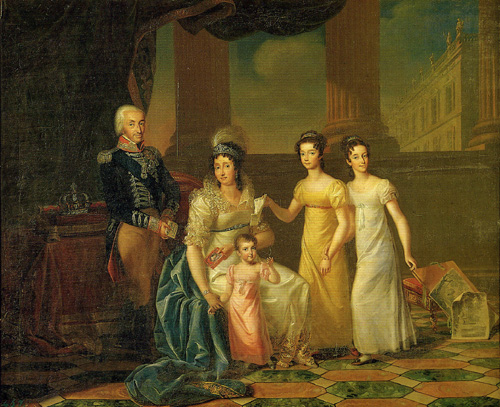
“Period dramas have left many of us with the notion that ladies of the landed gentry in the Regency era had little to do but dress in lovely gowns, embroider and gossip. Reality could not be farther from this image. In general, both master and mistress of the manor did a great deal of work around the estate, often working alongside the servants in the efforts to get everything done.
Labor tended to be divided along gender lines. So much so that single men sought female relatives to manage their households. Bachelors looked to sister or nieces while widowers often called upon daughters or the dead wife’s kin. So, even if a woman did not marry, there was a very strong possibility she might take on the responsibilities of a household sometime in her lifetime. Gentlemen tended to respect the household mistress’ authority; her contributions to the home had worth equal to his.”
Read the rest of the article here.
“White or fair-haired.”
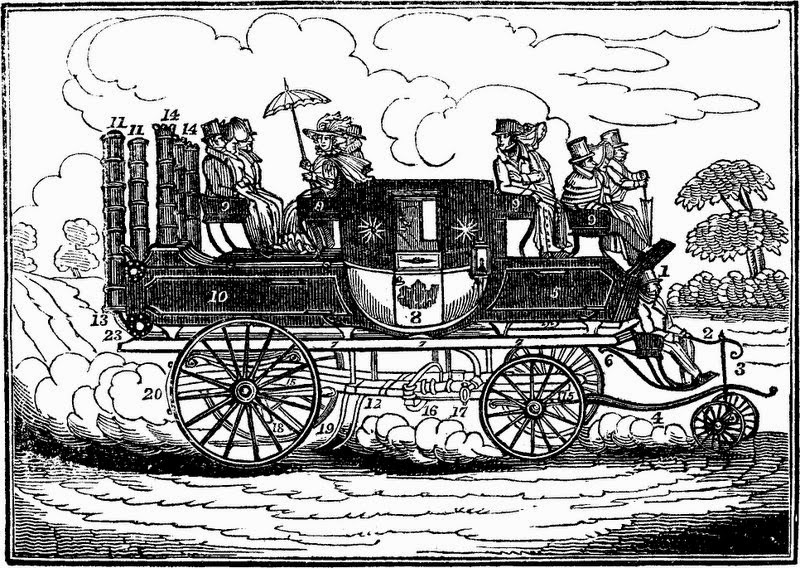
Think cars are a modern invention? Check out this article by Loretta Chase on “horseless carriages” from as early as 1827.
“Loretta reports:
While researching something else altogether, I stumbled on this description of an “Improved Steam Carriage” in a magazine published on this date in 1829.
Not being good with matters mechanical, I’m not at all clear on the two-vehicle approach or what makes the 1829 version an improvement over the 1827 model. I post both for you to compare and contrast, as well as links to the descriptions. If like me you find the prose less than enlightening, you might simply enjoy looking at the pictures of early horseless carriages.”
Read the rest of the article here.
“A little dog that by his barking alarms the family when any person is breaking into the house.”
From The Regency Reader (September 2013), the monthly newsletter of the Beau Monde Chapter of the RWA. Want to subscribe? Send a blank e-mail to TheRegencyReader-subscribe@yahoogroups.com
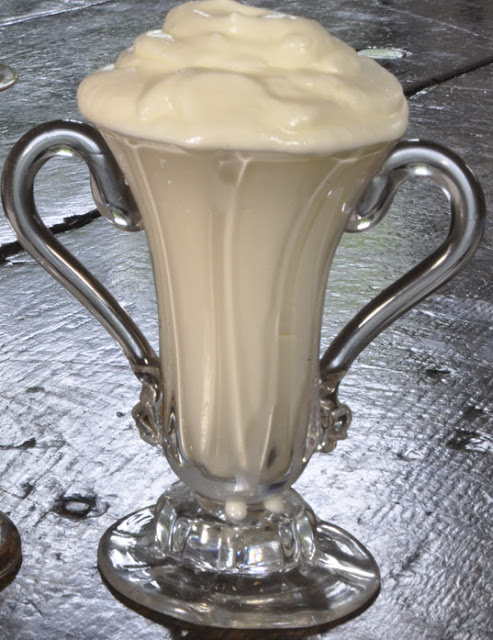
Syllabub was a popular dessert throughout our period and remains a posh English favorite for dinner parties and special occasions. It is found in the 1861 version of “Mrs. Beeton’s Book of Household Management”. According to Larousse Gastronomique, the recipe can be traced back to the time of the period. In its early variations, syllabub was a drink made of new milk and cider, with the cows milked directly into an ale pot.
Ingredients
¼ pint cream
2oz powdered sugar
Finely grated zest of ½ lemon
3 tbsp lemon juice
5 fl oz Sherry or Madeira
Preparation
Warm the sugar, lemon juice and zest until the sugar is dissolved.
Add the Sherry or Madeira.
Whip the cream to soft peaks. Fold in the wine mixture.
Pour into tall-stemmed glasses and chill well.
“And impudent whelp; a saucy boy.”
Bills are bills, even during the Regency. Check out Louise Allen‘s post featuring different hand-written bills from the era.
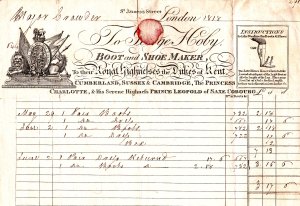
“If you had the money, late Georgian shops were awash with tempting goods. And even if you weren’t so well off, tradesmen would extend credit for considerable periods if your name was good, you were a prominent person or your expectations were favourable. Many a Regency rakehell kept buying on tick for years, dangling the prospect of an inherited estate or a forthcoming marriage settlement before his unfortunate tailor or wine merchant.”
You can find the rest of the article here.
I mentioned this video a couple of weeks ago in my Austen in August post, but it was so much fun (and so informative) that it deserves its own day.
Produced by the BBC and aired in May 2013, “Pride and Prejudice: Having a Ball” attempts to re-create a Regency-era ball. Using Bingley’s ball at Netherfield as a guide experts in the clothing, food, and even dancing use their knowledge and skill to bring history to life.
That sounds cliched, I know, but it’s truly what they do–not only do you see the finished product, but you experience the chaos of the kitchen as supper approaches, the energy and precision required for each of the dances, the realities of wearing Regency dress. The participants are interviewed throughout, so you also get a modern perspective: what is this like compared to what you’re used to?
Grab a cup of tea, put your feet up, and enjoy 😀
 Cora Lee, Regency Romance Author